What did We Find, How can We Use it, and Who can Use it?
At its core, education is an expression of possibility—an avenue toward freedom, growth, and self-determination. It reflects not only what societies value, but what individuals can imagine for themselves. Throughout this project, we explored how personal, familial, and environmental factors interact with educational outcomes, not to reduce students to statistics, but to better understand the conditions that can either support or hinder learning. Our findings suggest that higher rates of crime and drug usage often align with lower academic success, while higher levels of parental education tend to correspond with stronger educational outcomes for students. These patterns point to the powerful role that stability, resources, and support systems play in shaping opportunities, even before a student enters the classroom.
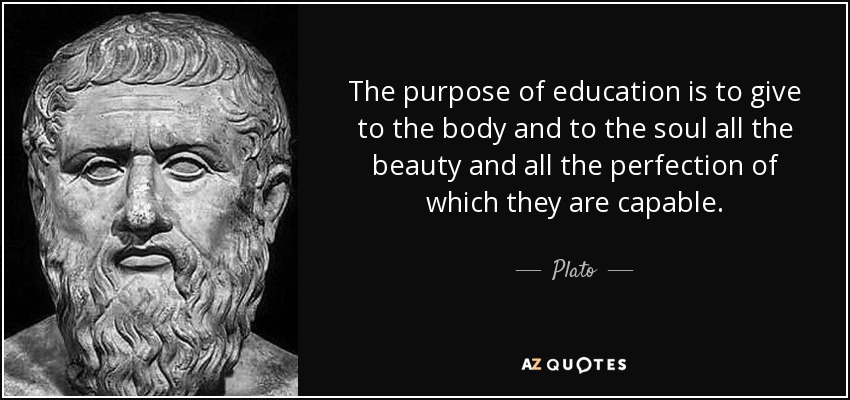
At the same time, our economic and GDP-focused analyses remind us that no individual is merely a data point. While trends can reveal structural challenges and advantages, they do not define personal potential. People may fit certain statistical molds, but they are never confined by them. These insights can be used by educators, policymakers, communities, and families to better target support, allocate resources, and advocate for environments where students can thrive. Ultimately, education remains a form of freedom—the freedom to learn, to challenge circumstances, and to reach beyond expectations. Data can help illuminate the path, but it is human resilience, curiosity, and ambition that carry us toward the heights.